


ESC Congress 2026 in Munich brought together cardiologists, researchers
and healthcare innovators from around the world. For Cardio-Phoenix, it
was an opportunity to present Cardio-HART and, more importantly, to hear
directly from clinicians about the challenges they face in
cardiovascular care.
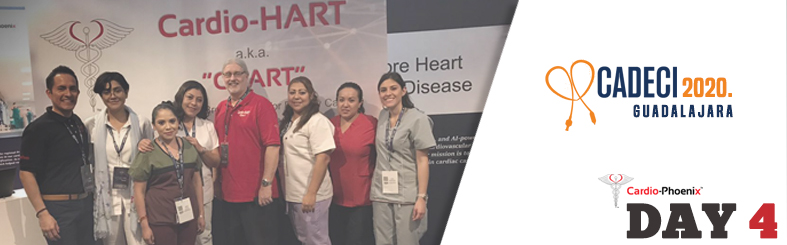
More than 100 cardiologists and cardiovascular professionals visited our
booth during the congress. Across many of those conversations, the same
themes emerged: pressure on diagnostic resources, the growing role of AI
in healthcare, and the need to identify cardiovascular disease earlier.
Earlier cardiac assessment in resource-constrained healthcare systems
Access to specialist cardiac investigations remains a practical
challenge in many healthcare systems. The issue is capacity, not capability.
Clinicians discussed the pressures created by limited workforce and
diagnostic capacity, particularly when patients require further
investigation after their initial assessment.
These conversations reinforced the importance of bringing more
meaningful cardiac information closer to the first point of care.
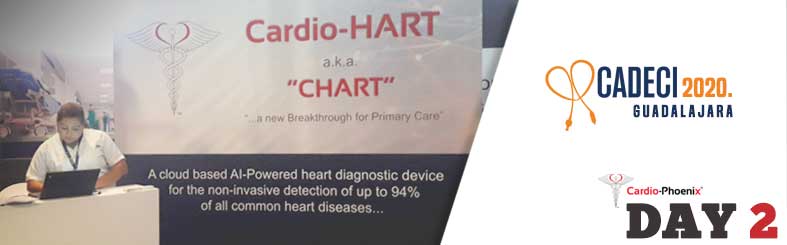
Cardio-HART combines a standard 12-lead ECG with phonocardiography (PCG)
and mechanocardiography (MCG), providing additional information about
cardiac structure and function during the first examination.
Cardio-HART is not intended to replace echocardiography when
echocardiography is indicated. Instead, it can support earlier
assessment and help clinicians identify patients who may need further
investigation.
AI is becoming part of the clinical conversation
AI was another prominent topic at ESC Congress 2026.
Among the clinicians we spoke with, the discussion was increasingly
practical. Rather than simply asking whether AI should be used in
healthcare, the focus was on how validated technology can support
clinical decisions responsibly and where it can provide meaningful
value.
As AI-supported tools become more capable, this discussion will continue
to evolve. Clinical judgement, evidence and appropriate oversight remain
essential, but technology also has the potential to make useful
diagnostic information more accessible.
Continuing the conversation beyond Munich
ESC Congress 2026 provided valuable opportunities to connect with
clinicians and researchers, discuss potential collaborations and better
understand the challenges facing cardiovascular care in different
healthcare systems.
Thank you to everyone who visited the Cardio-Phoenix booth and shared
their experience with us.
The conversations started in Munich will continue as we work to build
the evidence for earlier, more accessible cardiovascular assessment with
Cardio-HART.